
How to Choose the Right Home Remodeling Contractor in North Metro Atlanta

Whether you’re remodeling a home in Roswell, Alpharetta, Milton, Johns Creek, Suwanee, Buford, Braselton, Duluth, Cumming, Sugar Hill, or Flowery Branch, choosing the right contractor is one of the most important decisions you’ll make. The right contractor can help keep your project on schedule, within budget, and aligned with your vision. The wrong one can lead to delays, unexpected costs, and unnecessary stress. This guide will help you understand what to look for, what questions to ask, and how to compare contractors with confidence.
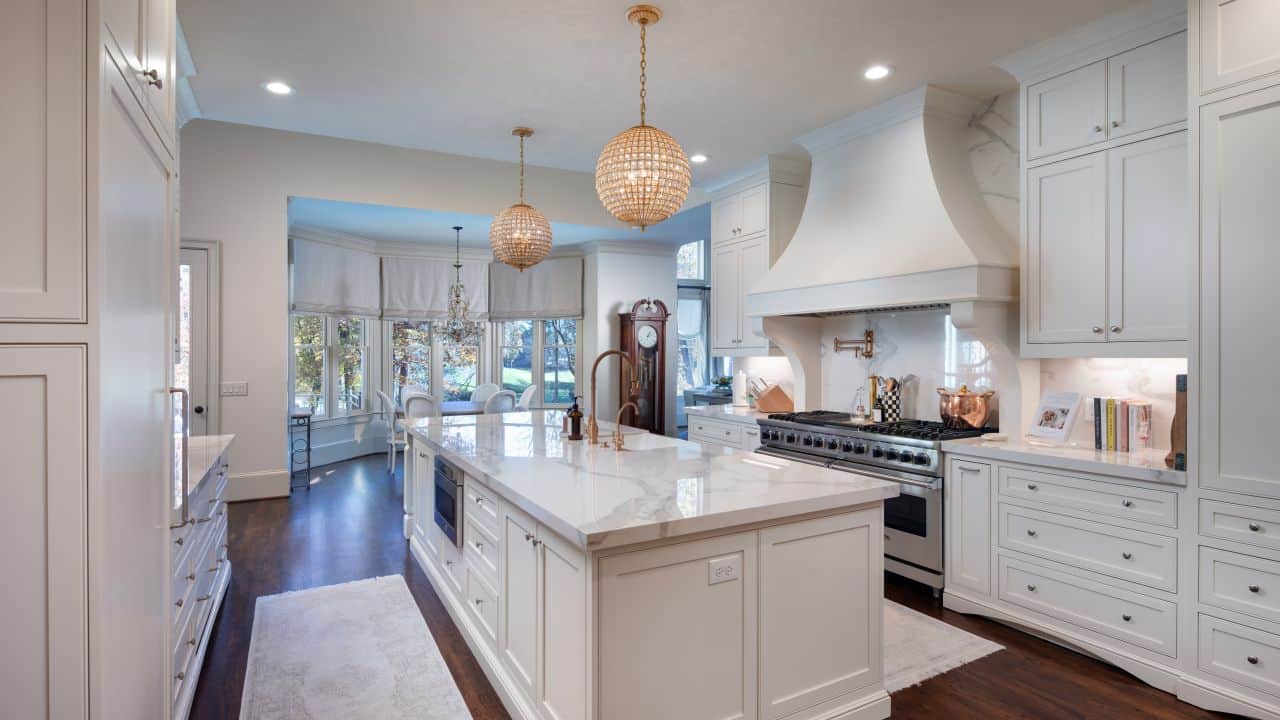
spacious kitchen with white marble counters and kitchen cabinets

Understand What You’re Actually Choosing Between

Whether you’re searching for a remodeling contractor in Roswell or Johns Creek, you’ll quickly discover that not all contractors operate the same way. There are different business models, levels of experience, and areas of expertise—and understanding those differences is one of the most important steps in choosing the right team for your project.
A design/build firm manages both the design and construction phases of your project under one roof. Designers, project managers, and construction professionals work together as one integrated team from day one. For complex remodeling projects—the kind many homeowners undertake throughout Roswell, Alpharetta, Milton, Johns Creek, Suwanee, Buford, Duluth, Cumming, Sugar Hill, Flowery Branch, and Braselton—the design/build model often provides a more coordinated experience. Because design, budgeting, and construction are aligned from the very beginning, communication is clearer, decisions are made more efficiently, and potential issues can often be identified and resolved before they affect the project.
In the traditional model, you hire an architect or interior designer to create your plans, then select a general contractor to build the project. The general contractor is responsible for construction only while the designer handles the design. The advantage is the flexibility to choose each professional independently. The tradeoff is that the homeowner often becomes the coordinator between two separate teams. Budget, design intent, and construction planning can become misaligned if communication isn’t maintained throughout the project.
Handymen and specialty contractors are a great fit for smaller, stand-alone projects such as painting, tile replacement, deck repairs, or general home maintenance. However, larger remodeling projects that involve design, structural changes, permitting, or multiple trades typically require the planning, coordination, and oversight of a licensed remodeling contractor. Choosing the right professional for the scope of your project can help avoid misunderstandings, delays, and unexpected costs particularly for higher-value homes in North Metro Atlanta.

KEY TAKEAWAYS

  • Hiring the wrong contractor is the single most expensive mistake you can make in a North Metro Atlanta remodel — the gap between bids matters far less than the gap between firms.
  • Every Georgia residential contractor working on projects over $2,500 must be licensed through the Secretary of State — verification takes two minutes and should be your first step.
  • The design/build model gives North Metro Atlanta homeowners a single point of accountability from design through construction, eliminating the communication gaps that derail most projects.
  • In luxury communities like Milton, Roswell, and Chateau Elan in Braselton, your contractor must be capable of delivering at the level those homes demand.
  • The lowest bid is rarely the best deal — understanding what’s in a proposal (and what isn’t) is the skill that protects your budget.
  • NARI membership and Contractor of the Year recognition are the most meaningful third-party signals of professional standards in the residential remodeling industry.

RELATED ARTICLES

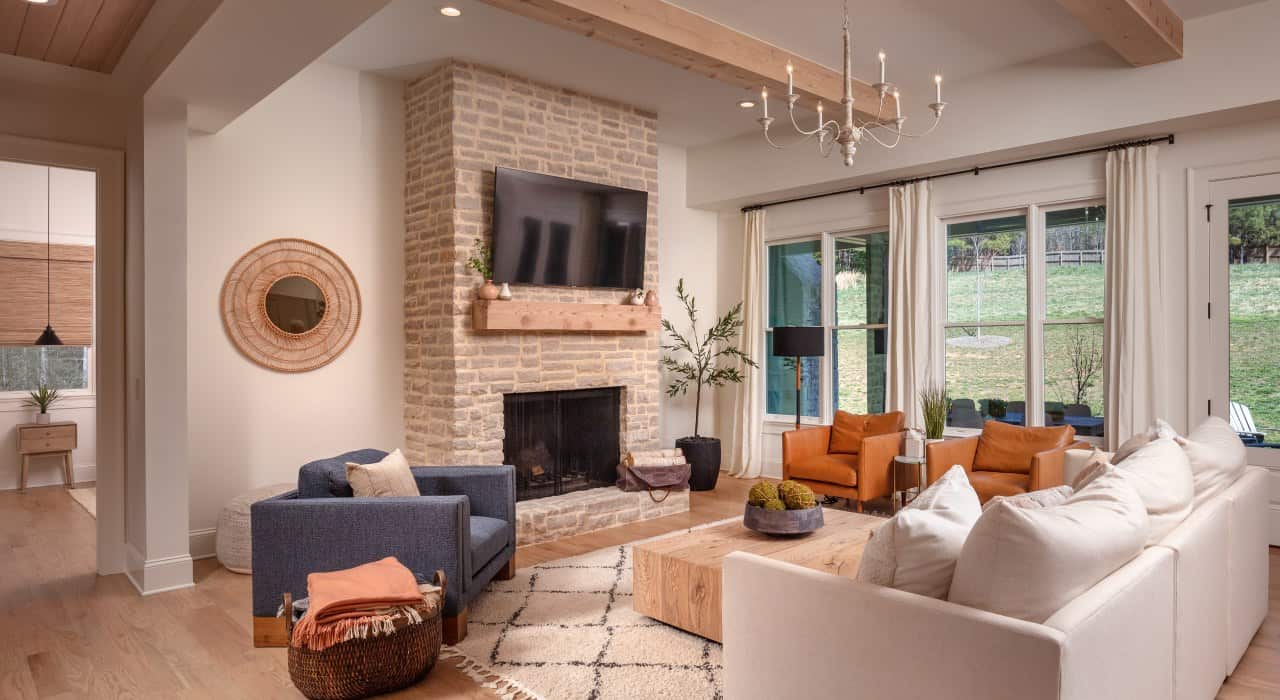
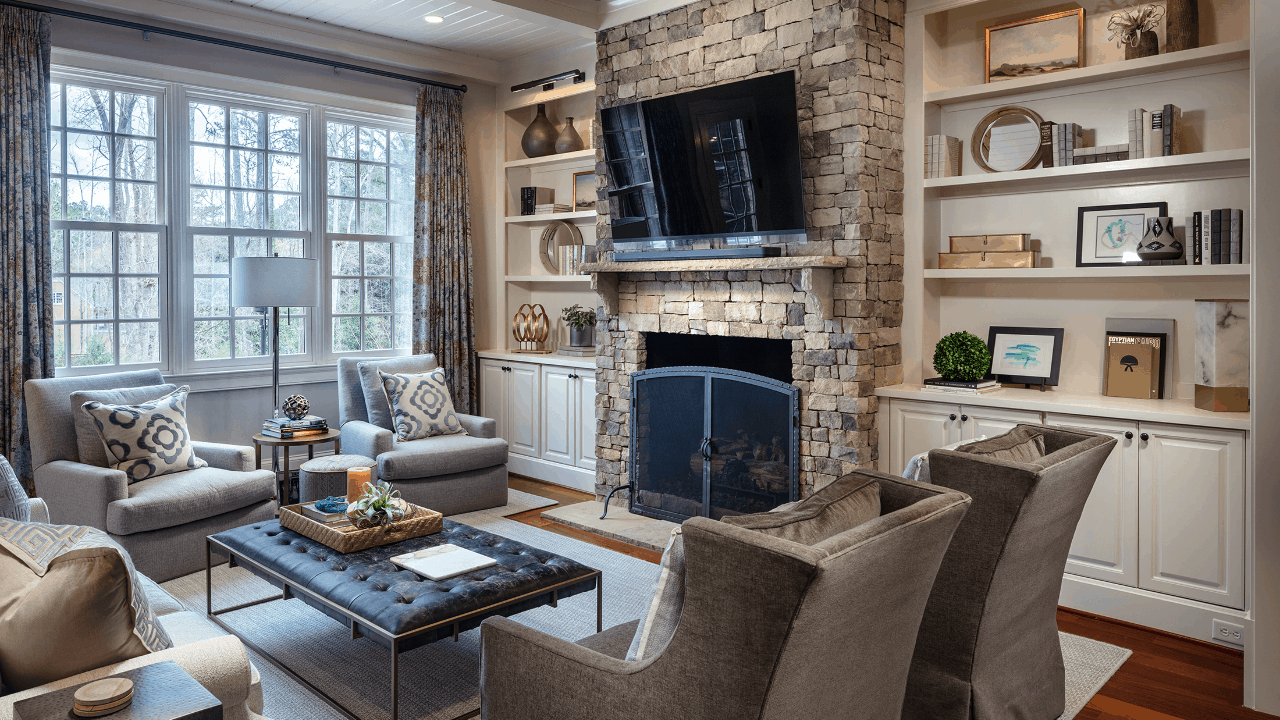
This large transitional living room with its exposed beams and wall of windows is timeless and inviting and embraces the same warm, natural textures and clean lines used throughout the home. A comfortable white couch and a pair of terracotta leather chairs surround a stunning limestone fireplace with mounted tv and floating mantle.

Three Essentials to Verify: License, Insurance, and Permit History

Before you spend time comparing proposals or discussing project details, verify these three essentials. It only takes a few minutes and can help you quickly narrow your list to qualified, reputable contractors.
Under Georgia law (O.C.G.A. §43-41), any residential contractor working on a project valued at $2,500 or more must hold a license from the Georgia State Licensing Board for Residential and General Contractors. You can verify any contractor’s license status in minutes at sos.ga.gov — search under “Building & Contractors.” Look for an active license in good standing. An expired license, a license under a different entity name, or no license at all are all disqualifying. That should be considered a deal breaker.
Ask for a current certificate of insurance and verify that the contractor carries both general liability and, if applicable, workers’ compensation insurance. Don’t rely solely on a verbal assurance of coverage – get a copy of the certificate. Taking a few minutes to confirm that the policy is active can provide valuable peace of mind before construction begins.
A contractor’s permit history tells you things their reference list never will. A pattern of failed inspections, abandoned permits, or stop-work orders is a serious red flag about how a contractor actually manages projects in the field. Fulton, Forsyth, Gwinnett, and Hall counties all have online portals where you can look up permit history. It takes ten minutes and can save you months of headaches.
living room space with fireplace

Red Flags That Should End the Conversation

  • Asks you to pull a homeowner’s permit on their behalf — this often means they aren’t properly licensed for the work
  • Requests a large upfront payment — more than 10–15% before any work begins
  • Can’t provide references from recent projects of similar scope in North Metro Atlanta
  • Provides a vague or verbal-only scope of work rather than a written proposal
  • Reluctant to issue written change orders before additional work proceeds
  • Recommends skipping the design phase for anything beyond basic cosmetic work
  • Pressure to sign quickly or before you’ve had time to verify credentials

patio with seating for 6 and fireplace

What Industry Recognition Actually Signals

In a market where every contractor’s website uses words like premium, craftsmanship, and transparent, independent third-party recognition can help separate marketing claims from proven performance. One of the most respected organizations in the residential remodeling industry is the National Association of the Remodeling Industry (NARI). Beyond membership, NARI’s Contractor of the Year (CotY) Awards recognize excellence in design, craftsmanship, project management, and client satisfaction.
NARI Atlanta membership isn’t self-reported. The chapter verifies business registration, professional license status, and insurance coverage, and runs a background check before approving any application. Members agree in writing to abide by a published Code of Ethics. Annual dues include both chapter and national components, and membership is renewed on a verified anniversary schedule. This isn’t a rubber stamp — it filters out a meaningful portion of the market before you ever meet them.
The Contractor of the Year award evaluates completed projects on craftsmanship, design execution, client satisfaction, and project management — judged by industry professionals who know what they’re looking at. Local CotY recognition means you’re among the best remodeling firms in the Atlanta chapter. National recognition means you’ve won at the chapter level and gone on to compete — and place — against the best firms in the country. Winning once is impressive. Winning year after year means it’s not a fluke; it’s how the firm operates.
No award substitutes for a direct conversation, a visit to a recently completed project, and speaking with homeowners who have lived in their remodeled home for a year or two. However, recognition from NARI is a valuable first filter. In a market where “premium contractor” is a marketing term anyone can use, NARI awards are one of the few distinctions that require independent evaluation and verification to earn. Boyce Design + Build is honored to have received numerous NARI Contractor of the Year awards at both the local and national levels—a recognition that reflects our ongoing commitment to thoughtful design, exceptional craftsmanship, and outstanding client service.
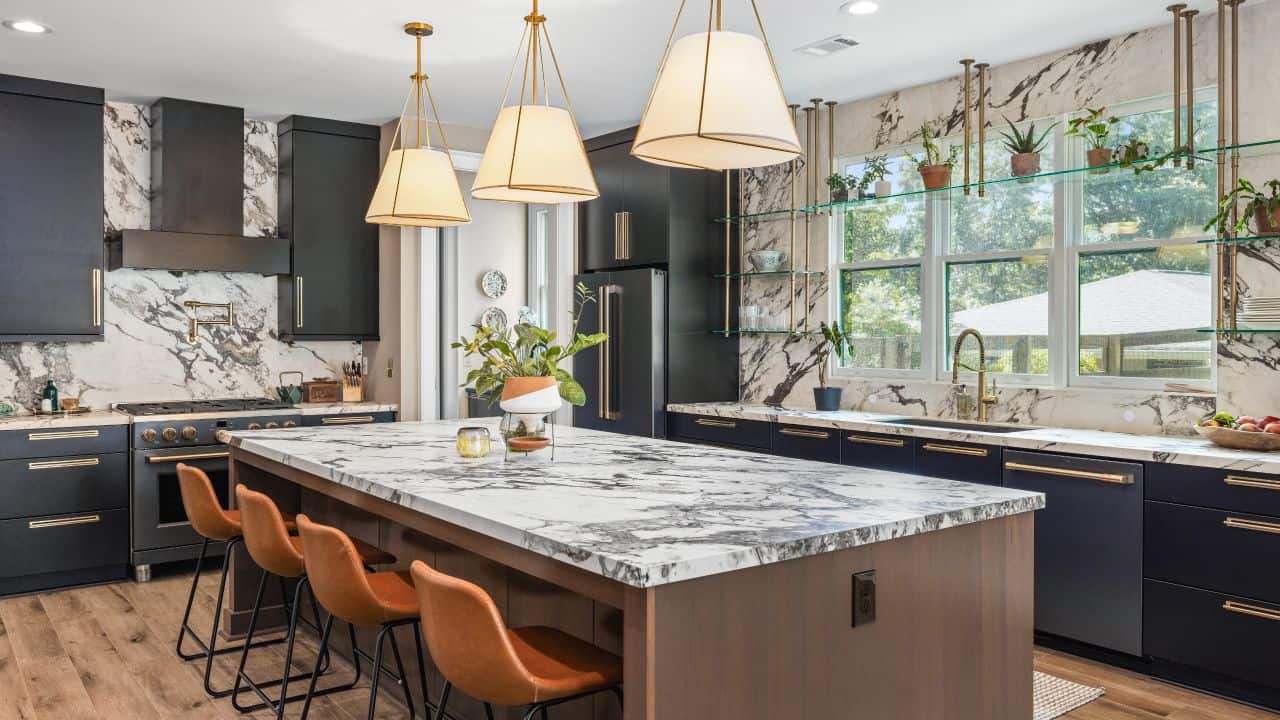
Modern kitchen with marble countertops, black cabinetry, brass hardware, and a large island for seating.

How to Compare Bids Without Getting Burned

Getting three bids is standard advice. Comparing them accurately is harder than it sounds. Two proposals for the same project can look very different on paper and still be measuring completely different things. Here’s how to read them correctly.
A detailed scope of work specifies exactly what’s included: which walls are moving, what plumbing fixtures are being replaced, what the allowances are for tile, cabinetry, and countertops. A vague scope—such as “kitchen remodel per discussion”—can leave room for misunderstandings and unexpected costs. The lower bid may simply include less work than you expected. You may not discover those differences until construction is underway and change orders begin to appear.

Allowances are budget placeholders for items not yet fully specified: “tile allowance: $8 per square foot installed.” The problem is that allowances can be set artificially low to make a bid look competitive, with the expectation that you’ll exceed them. Ask every contractor: what does this allowance actually buy, and what do most clients in this price range spend? A $12-per-square-foot tile allowance on a project in Milton or Roswell is not a realistic number. If a contractor can’t clearly explain what the allowance includes, ask for examples of products that fit within that budget before comparing proposals.
A sound payment schedule is tied to project milestones: a deposit at contract signing (10–15%), staged payments at defined construction phases, and a final payment at substantial completion and punch list closeout. A contractor requesting 30–40% upfront or large payments that aren’t tied to clearly defined project milestones should prompt additional questions. Ask how those funds will be used and why the payment schedule differs from industry norms before moving forward.
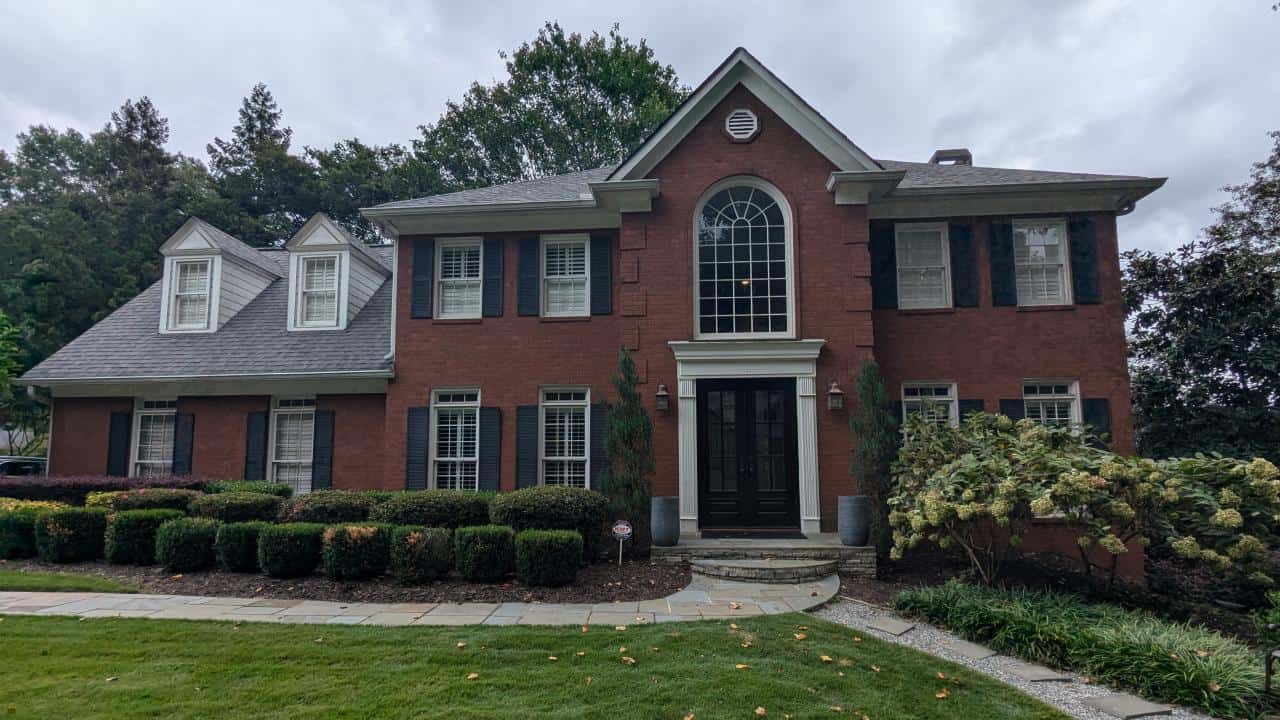
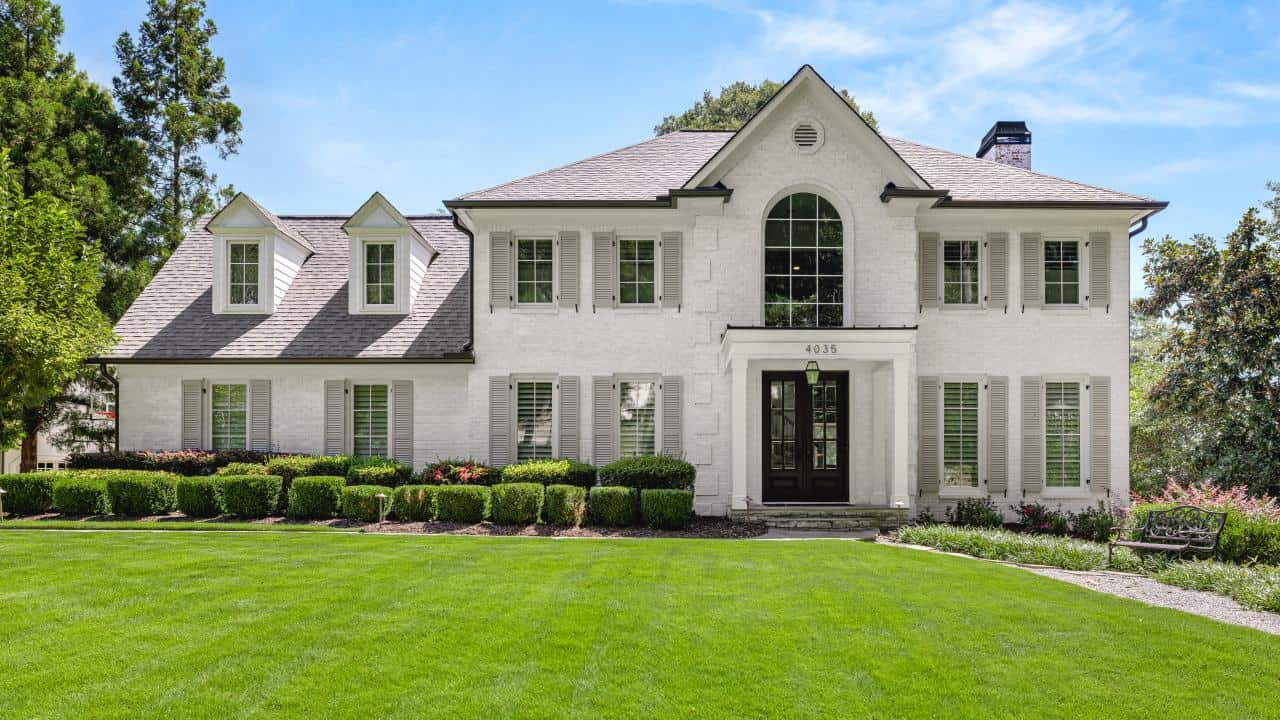
BEFOREAFTER

Compare Value, Not Just Price

The lowest proposal isn’t always the best value—and the highest isn’t automatically the best either. Compare each proposal based on scope, material quality, allowances, communication, experience, schedule, and overall professionalism. A well-documented proposal often provides a much clearer picture of the true cost of your project than the bottom-line price alone.

What to Look For What It Signals
Detailed written scope of work Contractor understands the project and is accountable for what’s in the contract
Realistic allowances with examples Contractor has done similar projects and is being straight about material costs
Milestone-based payment schedule Cash flow is managed properly; your money funds your project
Written change order process described upfront Contractor handles surprises professionally, not opportunistically
Detailed project schedule with phases Contractor has actually planned the work, not just promised an end date
North Metro Atlanta project references of similar scope Contractor has experience relevant to your home’s type, value, and jurisdiction
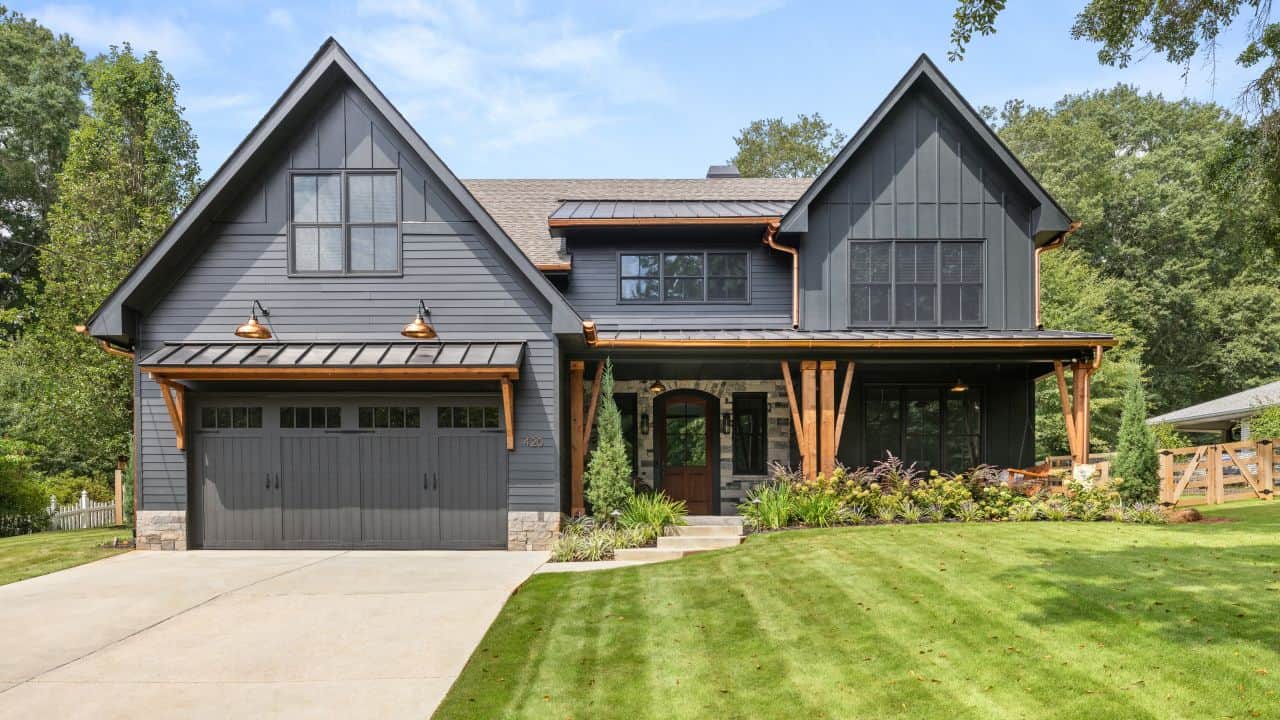
Custom modern farmhouse with dark board and batten siding, copper accents, wood beams, and landscaped curb appeal.

Local Experience: Why It Matters More Here

There’s a version of this conversation that applies anywhere. Then there’s the version specific to North Metro Atlanta, and the two aren’t the same.

North Metro Atlanta spans multiple cities and counties, each with its own permitting offices, review procedures, inspection schedules, and local requirements. Whether your project is in Roswell, Alpharetta, Milton, Johns Creek, Suwanee, Buford, Duluth, Cumming, Sugar Hill, Flowery Branch, or Braselton, contractors with local experience understand the approval process and common review issues, helping projects move through permitting more efficiently.
Many communities throughout Roswell, Alpharetta, Milton, Johns Creek, Suwanee, Cumming, Braselton, and other North Metro Atlanta neighborhoods have Architectural Review Committees (ARCs) with established design standards and approval requirements. Exterior renovations, additions, decks, pools, and certain structural modifications often require ARC approval before permits can be obtained. A contractor familiar with your community’s review process will understand how HOA approvals and permitting work together, helping to avoid unnecessary delays. Since HOA review can take 30–60 days, it’s important to obtain ARC approval before submitting permit applications whenever required.
Homes throughout Roswell, Alpharetta, Duluth, and Johns Creek often present different remodeling challenges than newer homes in communities such as Buford, Braselton, and Flowery Branch. Contractors who regularly work throughout North Metro Atlanta understand the construction methods, materials, and common issues associated with homes built during different time periods. They’re familiar with conditions such as aging plumbing systems, undersized electrical panels, and other hidden issues that may not become apparent until construction begins. That experience allows them to anticipate potential challenges, develop more realistic budgets, and reduce surprises once walls are opened.

What the Right Contractor Should Ask First

A good contractor isn’t just answering your questions—they’re asking the right ones. Pay attention to what they want to know during your first meeting. Are they asking how you use the space, not just how you want it to look? Are they asking about your timeline and budget before recommending solutions? Do they ask about HOA requirements, previous renovations, or your home’s permit history?

  • The best remodeling solutions begin with understanding the homeowner’s goals before proposing a design. Here are a few questions you should expect a good contractor to ask:
  • What’s prompting the remodel, and what would a successful outcome look like for your family?
  • Do you have a budget range in mind, or would you like help establishing a realistic one?
  • Are there HOA restrictions or neighborhood requirements we should understand before design begins?
  • Do you have documentation of any previous permits or work completed on the property?
  • Is there anything about the home’s history—such as renovations, additions, or insurance claims—that we should factor into our planning?

If these questions aren’t part of the conversation, it may be a sign that the contractor isn’t conducting a thorough discovery process. A thoughtful discovery phase helps establish realistic expectations, uncover potential challenges early, and lay the foundation for a successful remodeling project.
Why North Metro Atlanta Homeowners Choose Boyce Design + Build

For more than 25 years, Boyce Design + Build has helped homeowners throughout Roswell, Alpharetta, Milton, Johns Creek, Suwanee, Buford, Braselton, Duluth, Cumming, Sugar Hill, Flowery Branch, and the surrounding North Metro Atlanta communities navigate the remodeling process with confidence. We believe successful projects begin with thoughtful planning, clear communication, and a commitment to quality from the very first conversation.

We’ve been honored with numerous NARI Contractor of the Year awards at both the local and national levels. From design and planning through construction, our integrated team manages every phase of the project under one roof — providing a single point of accountability from the first sketch to the final walkthrough.

If you’re considering a remodeling project, we’d welcome the opportunity to learn about your goals, answer your questions, and help you figure out the right next step.

Frequently Asked Questions

Three is a reasonable starting point — but more important than the number is the quality of the firms you’re evaluating. Three detailed proposals from vetted, licensed contractors with relevant North Metro Atlanta experience will tell you more than five proposals from firms you haven’t screened. Don’t add a bid to the comparison just to have a number in the middle.
Yes, and you should. Go to sos.ga.gov and search under the Licensing Division, ‘Building & Contractors.’ You can verify license status, license type (residential vs. commercial), expiration date, and whether there are any disciplinary actions on record. This takes about two minutes and should happen before any substantive conversation about your project.
A contractor’s license and insurance serve two different purposes. A Georgia contractor’s license confirms they have met the state’s requirements to perform residential construction. Insurance—including general liability and workers’ compensation, —helps protect both you and the contractor if an accident or property damage occurs during the project. Before hiring a contractor, verify that they are both properly licensed and adequately insured.
Ask directly whether they’ve completed projects in your community and whether they can share photos or provide references from local homeowners. If your neighborhood has an HOA or Architectural Review Committee (ARC), ask whether they’ve worked through that approval process before. Contractors familiar with your community’s requirements can often navigate approvals more efficiently and help keep your project on schedule.
In most cases, yes. A licensed residential contractor should obtain permits in their own name for the work they’re performing. If you’re asked to pull a homeowner or owner-builder permit on behalf of a contractor, ask why. It may indicate the contractor isn’t properly licensed or is attempting to avoid responsibility for the permitted work. If you’re unsure, contact your local building department before moving forward. A reputable contractor should be prepared to handle the permitting process as part of the project.

For anything beyond basic cosmetic updates, ask why. A thoughtful design phase creates the drawings needed for permitting, establishes the scope of work, allows contractors to prepare accurate pricing, and ensures everyone shares the same vision for the finished project. Skipping this step can lead to vague scopes, unrealistic budgets, misaligned expectations, and costly change orders during construction. While it may seem to save time upfront, it often creates delays and additional costs later in the project.

Very. Fulton County, Forsyth County, Gwinnett County, and Hall County each have their own building departments with their own processes, portals, fee structures, and review timelines. A contractor who files permits routinely across these jurisdictions knows what to expect and how to avoid delays.
For most custom remodeling projects, the answer is no. It’s best to complete the design before signing a construction contract. In a design/build process, homeowners typically begin with a design agreement, followed by a construction contract once the plans, specifications, and pricing are finalized. This gives the contractor the information needed to develop accurate pricing, clearly define the scope of work, and reduce the likelihood of unexpected costs during construction. If you’re asked to sign a construction contract before the design is complete, ask how the price was determined, what assumptions were made, and how design changes will affect the final cost.

Let’s Start Building Your Dream Project Today

Boyce Design + Build proudly serves the greater Atlanta area including: Athens, Atlanta, Alpharetta, Braselton, Brookhaven, Decatur, Duluth, Dunwoody, Johns Creek, Milton, Roswell & Sandy Springs, Smyrna/Vinings, Suwanee, Watkinsville.