
The Complete Guide to Home Remodeling in North Metro Atlanta

If you’ve been thinking about remodeling your home in North Metro Atlanta, you’re in good company. From the tree-lined estates of Roswell and the executive neighborhoods of Alpharetta and Milton to the established communities of Johns Creek, the fast-growing corridors of Suwanee and Duluth, and the lakefront properties of Flowery Branch – homeowners across this region are investing in the spaces they already love rather than chasing a frustrating move-up market.

It’s a smart instinct. North Metro Atlanta is one of the strongest housing markets in the Southeast, and home values here have climbed significantly over the past decade. That means the quality of work done on your home matters more than ever. Remodeling is also one of the most complex, high-stakes projects a homeowner takes on. When it goes well, you get a home that works better, feels better, and holds its value for decades. When it goes wrong, the wrong contractor, an unrealistic budget, a permit skipped, you can spend years and significant money cleaning up the fallout.

This guide is designed to be the resource North Metro Atlanta homeowners reach for first. We’ll walk through every stage of the process: planning, budgeting, hiring, permits, what to expect during construction, and how to protect what you’ve built.

Boyce Design + Build has more than 25 years of experience designing and remodeling homes throughout North Metro Atlanta. We’ve worked with homeowners across a wide range of neighborhoods and municipalities, giving us firsthand knowledge of local regulations, permitting processes, construction methods, and design trends. Our goal is to provide practical, unbiased information that helps you confidently navigate your remodeling or custom home project.
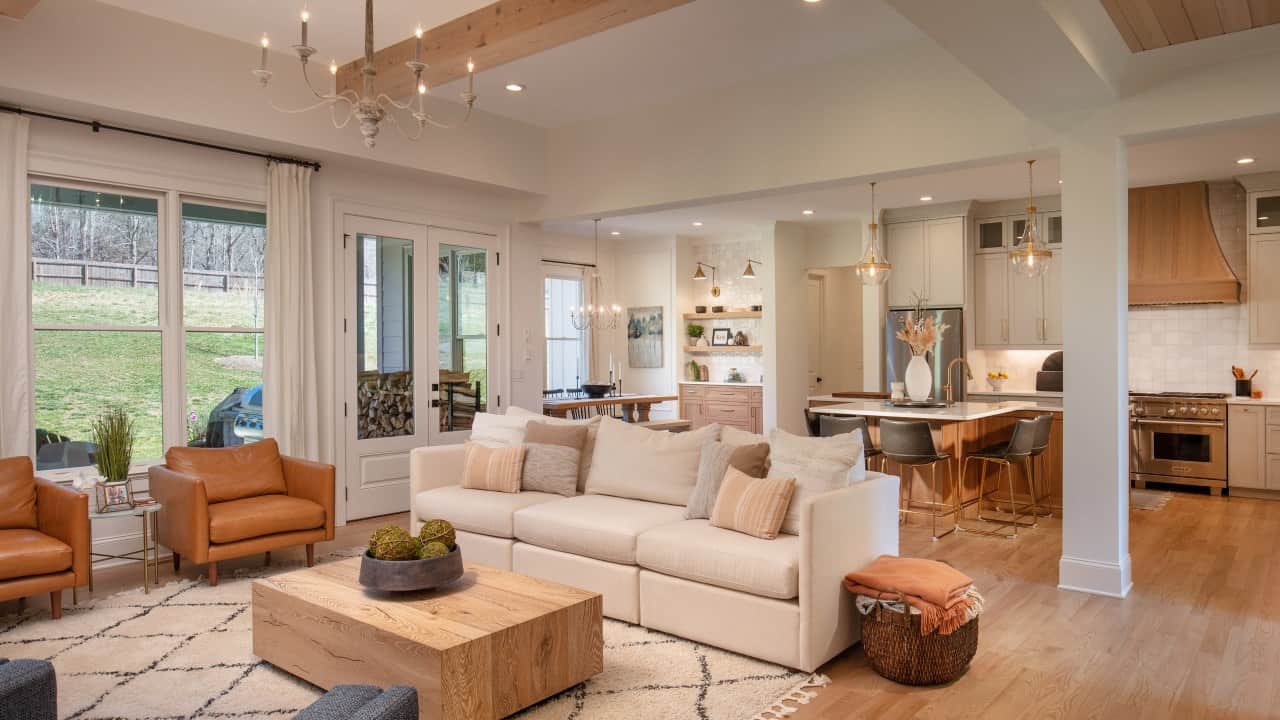
The bright and spacious open concept floor plan houses the kitchen, dining room and living areas and perfectly blends the warm wood tones, neutral colors, and natural textures throughout creating a cohesive and comfortable space for this family to relax and entertain.

Why North Metro Atlanta Homeowners Are Remodeling Now

North Metro Atlanta, including communities such as Roswell, Alpharetta, Milton, Johns Creek, Suwanee, Duluth, Cumming, Flowery Branch, and the surrounding areas, has experienced steady growth and rising home values for well over a decade. As demand has increased, so have home prices, making it more challenging and expensive to find a new home that meets a family’s needs.

Rather than entering a competitive housing market, many homeowners are choosing to invest in the homes they already have. Whether it’s creating more functional living space, modernizing an outdated floor plan, improving energy efficiency, or adding amenities that better support today’s lifestyles, remodeling often provides a better long-term value than moving.

A few factors specific to this region are shaping the remodeling conversation right now:
If you’re in a $700,000 home in Alpharetta and want to move to something in the $1 million range in Milton, the transaction costs alone — real estate commissions, closing costs, moving, and the premium you’ll pay for a home that’s already been updated — often exceed what it would cost to transform the home you already own. That math is convincing a lot of North Metro Atlanta families to stay put and remodel instead.
A significant portion of North Metro Atlanta’s housing stock was built during the suburban growth boom of the 1990s and early 2000s. Today, many homes in communities such as Roswell, Alpharetta, Milton, Johns Creek, Suwanee, and Duluth are 20 to 30 years old – an age when many homeowners begin thinking about more than just cosmetic updates.

Kitchens designed for the way families lived decades ago often lack the functionality, storage, and openness homeowners want today. Primary bathrooms with oversized jetted tubs and brass fixtures look dated. At the same time, the deferred maintenance that naturally builds up over decades—from aging HVAC systems and roofing to windows, plumbing, and electrical panels—is coming due just as many homeowners are thinking about updating the appearance and functionality of their homes.

North Metro Atlanta is not a budget remodeling market. It is home to many of the region’s most sought-after communities, including Milton, Roswell, Alpharetta, Johns Creek, Duluth and parts of Suwanee and Cumming. As home values continue to rise, homeowners are increasingly viewing remodeling as a long-term investment rather than simply a home improvement project.

In higher-value homes, thoughtful design, quality craftsmanship, premium materials, and careful attention to detail become especially important. A renovation should feel as though it has always been part of the home while enhancing both its functionality and long-term value. Whether updating a kitchen, renovating a primary suite, or adding new living space, homeowners expect a finished product that complements the character of their home and meets the standards of the surrounding neighborhood.

KEY TAKEAWAYS

  • North Metro Atlanta’s permitting requirements, HOA guidelines, and higher home values make remodeling here different from many other parts of metro Atlanta.
  • A well-defined scope, a realistic budget, and an experienced contractor are the three pillars of a successful renovation.
  • The design/build model keeps design, budgeting, and construction aligned under one team from start to finish, providing a more streamlined experience than the traditional general contractor model.
  • Most structural, electrical, plumbing, and HVAC work requires permits throughout Fulton, Forsyth, Gwinnett, and Hall counties. Working with a contractor who manages the permitting process helps protect your investment.
  • Planning ahead and understanding the factors that influence cost can help you avoid delays, reduce surprises, and create a smoother remodeling experience.

RELATED ARTICLES

CLICK TO ENLARGE IMAGE

Step One: Plan Before You Budget

One of the most common mistakes homeowners make is focusing on the budget before clearly defining the project. While it’s natural to ask, “How much will this cost?” the reality is that cost is driven by scope and scope begins with understanding how you want your home to function.
Before reaching out to a contractor, think through these three important questions:
Every successful remodel starts with a purpose. The kitchen doesn’t provide enough workspace or storage for the way your family cooks and entertains. The primary suite lacks the spa-like bathroom that’s become standard in many newer homes. The basement is an unfinished space that could become a guest suite, media room, home office, or home gym. Or perhaps the backyard isn’t taking full advantage of the property or North Metro Atlanta’s climate with an inviting outdoor living space. Start by identifying the challenges you’re trying to solve rather than the features you want to add. That clarity will help guide every decision that follows.
Every good remodel starts with a real problem. The kitchen doesn’t have enough counter space for the way your family cooks. The primary suite lacks the spa-like bathroom that’s standard in your neighborhood’s newer builds. The basement is an unfinished void when it could be a guest suite, a media room, or a home office. The outdoor living space doesn’t take advantage of the lot and the climate that make North Metro Atlanta worth living in. Start there.
Not in terms of finishes — that comes later. In terms of daily life. What does a morning in this remodeled house feel like? What’s easier? What’s better? The clearer you can articulate what you’re trying to achieve, the more useful a design conversation becomes — and the more accurately a contractor can scope and price what you actually need.
Remodeling a kitchen while you’re living in the house is a real inconvenience that lasts weeks. A primary suite renovation affects your daily routine in ways you don’t fully appreciate until you’re in the middle of it. Understanding your own tolerance for disruption — and your household’s — helps you phase the project intelligently and set realistic expectations before work begins.
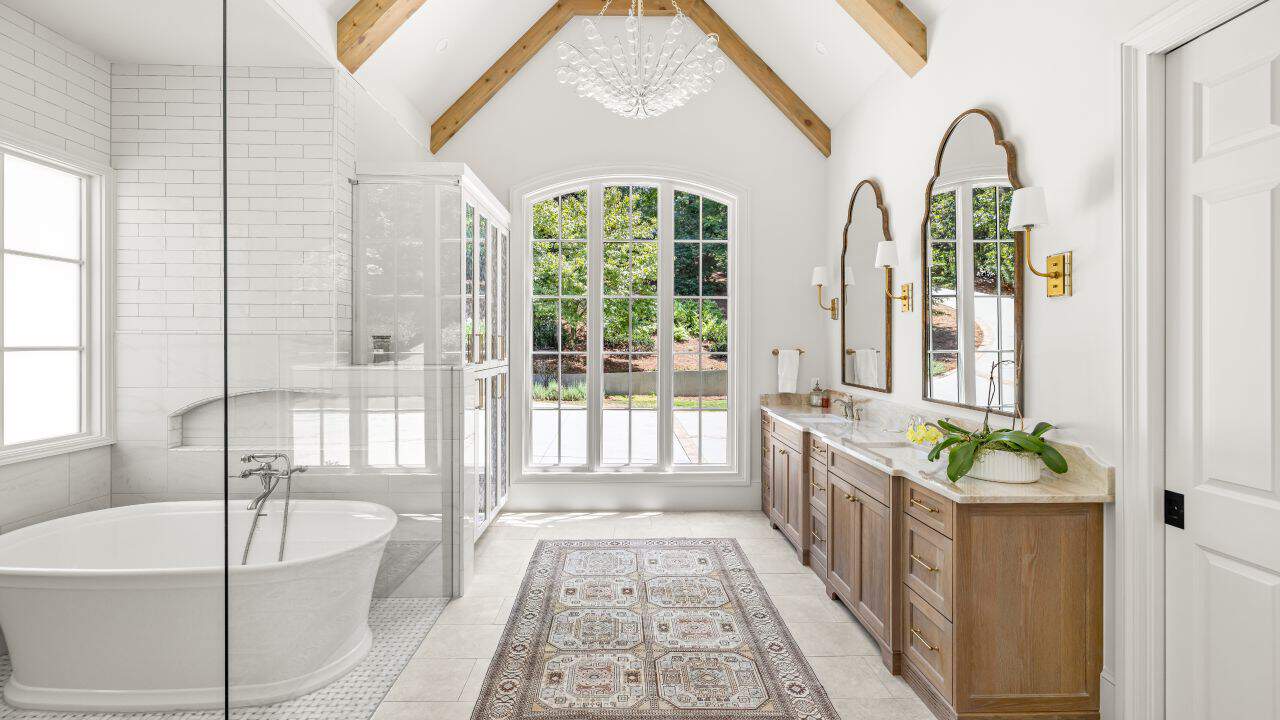
Luxury master bathroom renovation includes vaulted ceiling with a white and natural wood bathroom aesthetic, spa-like wet room with floor to ceiling white subway tile walls, freestanding soaking tub and high-end bathroom features.

Step Two: Build a Budget That’s Actually Realistic

Budgeting for a home remodel in North Metro Atlanta requires an understanding of the local market. While national remodeling cost guides can provide a general benchmark, they don’t account for the region’s labor costs, material pricing, permitting requirements, or the level of craftsmanship often expected in higher-value homes. For a detailed look at what remodeling projects actually cost in North Metro Atlanta, see our companion guide. For now, here’s the framework.
One of the biggest misconceptions in remodeling is that cost can be estimated by square footage alone. In reality, the scope of work has a far greater impact on the final investment. For example, a 200-square-foot kitchen with custom cabinetry, quartzite countertops, high-end appliances, and a structural wall removal will cost dramatically more than a kitchen of the same size that receives stock cabinetry, laminate countertops, and cosmetic updates. The footprint may be identical, but the scope of work – and the investment – is entirely different. Whenever you hear a remodeling cost quoted “per square foot,” remember that the number has very little meaning unless you know exactly what’s included.
The skilled trades market in this region — experienced carpenters, tile setters, electricians, plumbers — is highly competitive. The same growth that drove up home values in Alpharetta, Roswell, and Milton has driven up demand for quality remodeling professionals. Budget accordingly and be skeptical of bids that seem unusually low. In this market, they’re usually low for a reason.
Many homes in North Metro Atlanta’s established neighborhoods are reaching an age where hidden issues become more common during renovation. Once walls, ceilings, or floors are opened, it’s not unusual to discover outdated wiring, polybutylene plumbing, undersized electrical panels, water damage, or substandard framing that no longer meets current building practices. For homes built before 2000, it’s wise to include a contingency of approximately 15–20% for unforeseen conditions. Treat it as part of your project budget rather than money you expect to get back. Planning for the unexpected can help keep your project on track.
Some of the best money spent in a remodel is on rough-ins and structural work for a future phase you haven’t started yet. If there’s any chance you’ll want to add a bathroom, expand the outdoor living space, or finish the basement in the next five years, talk to your contractor now about what decisions made today make that future project less expensive.
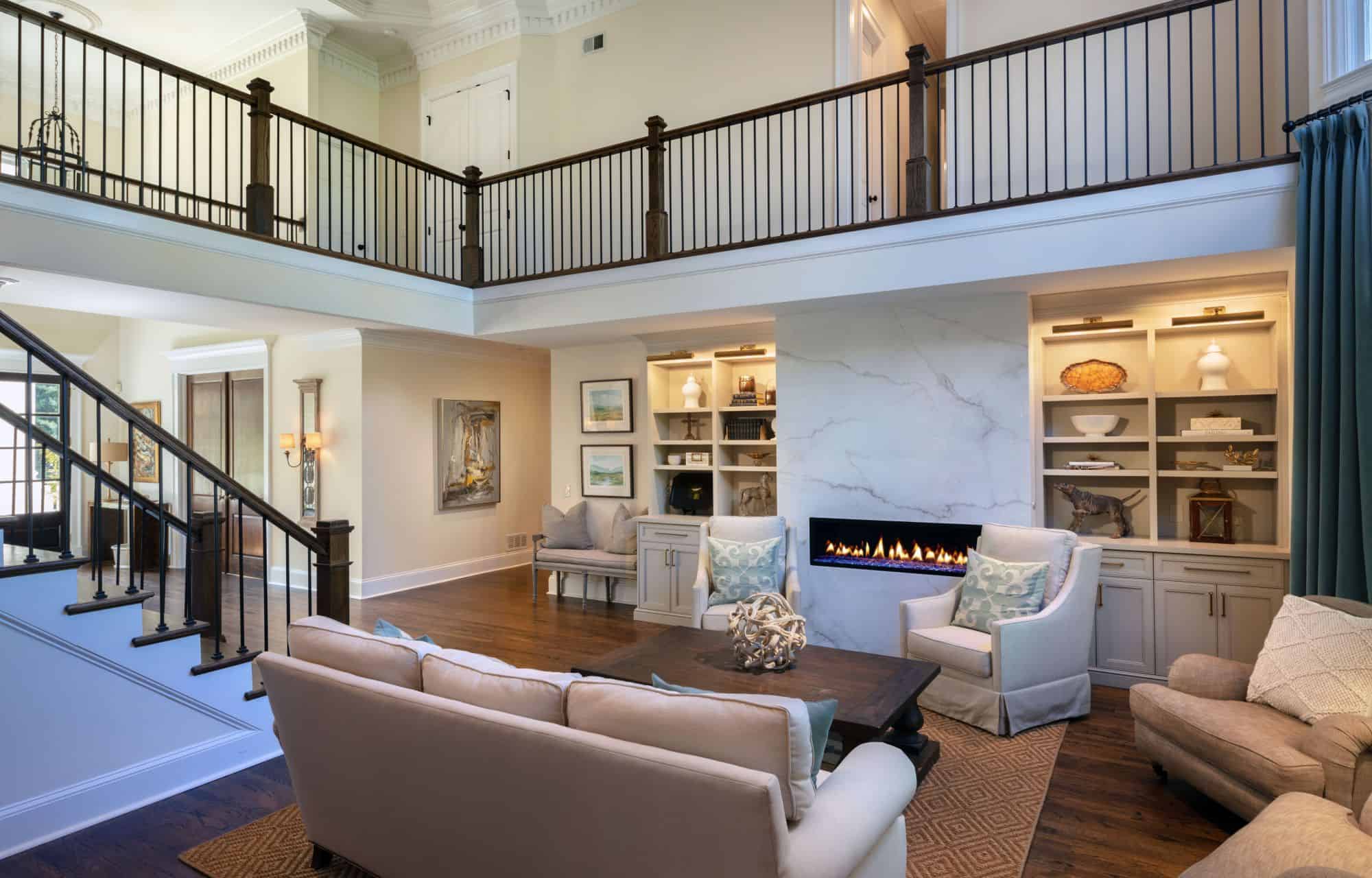
living room with beige furniture and fireplace on the wall

Step Three: Find the Right Contractor for North Metro Atlanta

Choosing the right contractor is one of the most important decisions you’ll make during your remodeling project. A skilled contractor with a realistic budget can help deliver an outstanding result, while the wrong contractor can create costly delays, unexpected expenses, and unnecessary stress. In North Metro Atlanta’s luxury remodeling market, the contractor conversation is too important to shortcut. We’ve written a full guide on how to hire here — but here’s the short version.
North Metro Atlanta is not a single, uniform market. The jurisdictions are different — Fulton County, Forsyth County, Gwinnett County, and Hall County each have their own permitting offices, review processes, inspection timelines and local requirements. The communities here have design standards and HOA requirements that vary significantly. A contractor who’s completed dozens of projects in Buckhead isn’t necessarily familiar with the permitting process, neighborhood requirements, or local considerations in Milton, Johns Creek, or Cumming.
Under Georgia law (O.C.G.A. §43-41), every contractor working on a residential project over $2,500 must be licensed through the Georgia Secretary of State’s licensing board. Verification takes two minutes at sos.ga.gov. Also ask for a certificate of insurance and verify that the contractor carries appropriate liability and workers’ compensation coverage. And check permit history: a pattern of failed inspections or abandoned permits tells you things a reference list never will.
For complex, high-end projects — the kind that North Metro Atlanta homeowners are typically undertaking — the design/build model can offer a more streamlined experience than the traditional approach of hiring a separate designer and general contractor. When design and construction are managed under one roof, budget, scope, and constructability remain aligned throughout the process. There’s one team, one contract, and one point of accountability. This often results in better communication, fewer surprises during construction, and a more coordinated project overall.
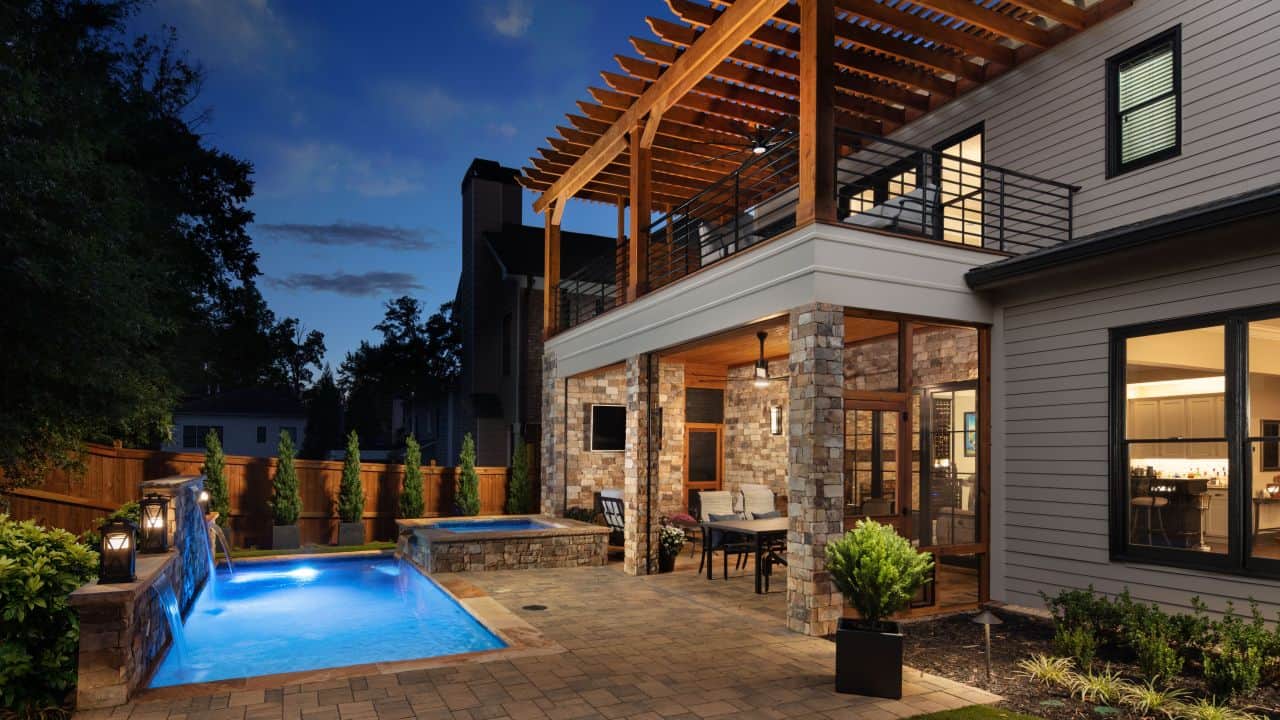
custom pool with jacuzzi

Step Four: Navigate Permits and HOA Approvals

North Metro Atlanta homeowners often underestimate how layered the permit and HOA landscape is in this region. Getting this right isn’t just bureaucratic box-checking — it’s an important step in protecting your investment, ensuring your project is completed safely, and avoiding complications when it’s time to sell your home.
As a general rule, projects involving structural changes or modifications to plumbing, electrical, HVAC, or gas systems require a permit. Cosmetic updates—such as painting, flooring, or replacing cabinets without altering the structure—typically do not. If you’re unsure whether a permit is required, check with your local building department or ask your contractor. A reputable contractor should obtain all required permits as part of the project. If you’re asked to pull a homeowner’s permit for work being performed by a contractor, ask why. In many cases, this should be considered a red flag.
Many of North Metro Atlanta’s most desirable communities have active Architectural Review Committees (ARCs) with established design standards and review requirements. Exterior renovations, additions, decks, pools, and certain structural modifications typically require ARC approval before permits can be obtained. The review process can take 30–60 days, so it’s important to factor that time into your project schedule. Don’t start the permit process until ARC approval is in hand. Before investing in design work, review your HOA’s governing documents and architectural guidelines to understand any restrictions, submission requirements, and review timelines.
Georgia adopted the 2024 International Building Code family on January 1, 2026. Any project submitted for permits after that date falls under the new standards, regardless of when the design was prepared. A contractor who isn’t current on the updated codes risks resubmission delays that add weeks and cost to your timeline. When interviewing contractors, ask how they stay current with changes to Georgia’s building codes and local permitting requirements.
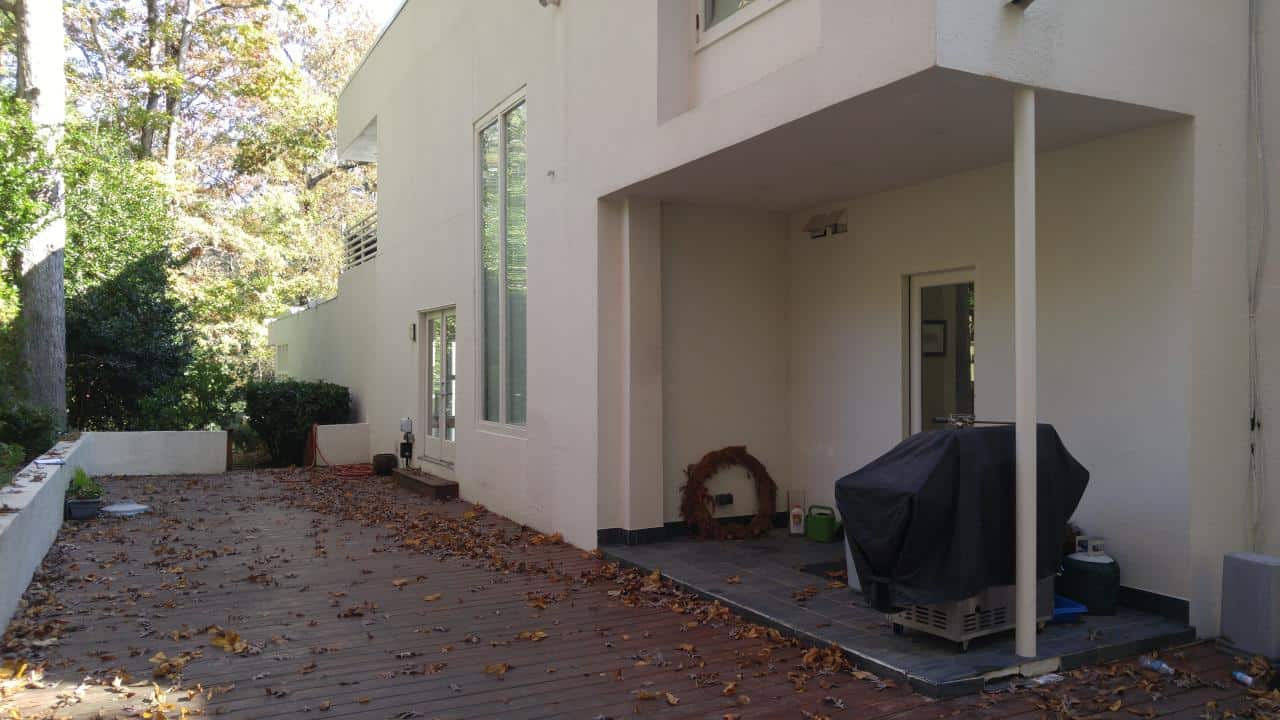
BEFOREAFTER

What to Expect During Construction

Construction is often the most disruptive phase of a remodeling project but knowing what to expect can make the experience far less stressful. Even a well-managed project will involve some inconvenience. Planning ahead and maintaining good communication with your contractor will help keep the project moving smoothly. Here’s how to prepare.
The design phase is intended to front-load many of the important decisions—tile selections, plumbing fixture finishes, lighting locations, and other key details—so construction can move efficiently without unnecessary delays. Even the best-planned projects, however, uncover new questions once walls are opened and the space begins to take shape. Be available for questions, be decisive and understand that slow decisions affect the schedule and cost money in a running project.
Every remodel uncovers something unexpected. What distinguishes a good contractor from a problematic one isn’t whether change orders happen — it’s whether they’re documented, priced, and approved before the work begins. If additional work is recommended, make sure it’s clearly outlined in a written change order before authorizing the work.
You shouldn’t have to chase your contractor for updates. Regular progress meetings, access to a project management system with photos and schedule updates, and a dedicated project manager you can reach by phone, text, or email are all signs of a well-organized remodeling experience. If communication is difficult before the contract is signed, it will be harder once work starts.
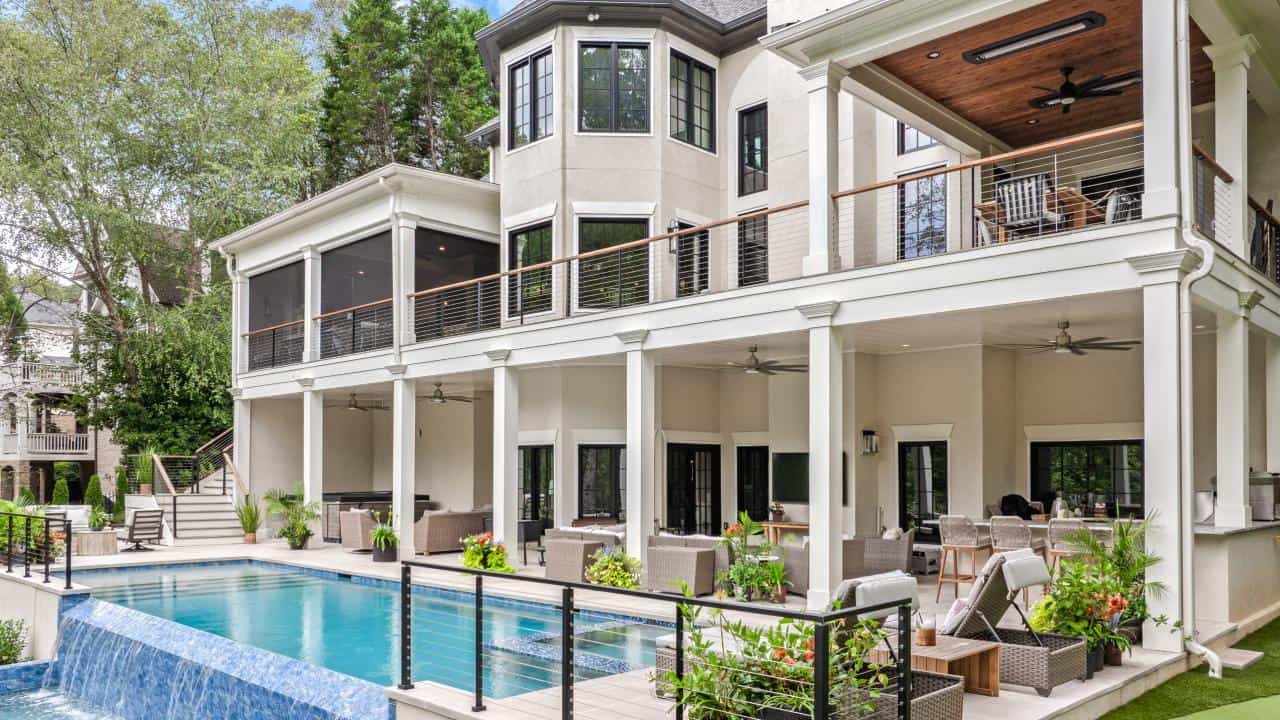
Modern luxury outdoor living retreat featuring a custom infinity-edge pool, spa, and multi-level entertaining spaces designed and built by Boyce Design + Build in Duluth, GA.

Protecting Your Investment for the Long Haul

A well-executed remodel can add lasting value to a North Metro Atlanta home but protecting that investment doesn’t end when construction is complete. A few simple steps can help preserve the quality of your home and make future projects – or even a future sale – much easier.

  • Keep your project documentation organized. Save permits, inspection approvals, warranties, product information, and change orders in one place. Buyers, inspectors, and future contractors often request this information, and having it readily available can make future transactions much smoother.
  • Follow the recommended maintenance schedule. Ask your contractor for care and maintenance guidelines for the materials and systems installed during your project. Exterior caulking, grout, HVAC equipment, natural stone, and other finishes all have maintenance schedules that extend their life significantly.
  • Plan ahead for future improvements. If you anticipate additional renovations in the coming years, talk with your contractor about preparing for them now. Decisions made now about electrical capacity, plumbing rough-ins, and structural reinforcement can save substantially on future projects.
  • Don’t overlook moisture management. North Metro Atlanta’s humid climate places added importance on proper waterproofing, drainage, ventilation, and moisture control. Make sure any bathroom, basement, crawl space, or exterior living space was finished with the appropriate waterproofing and ventilation built in.

About Boyce Design + Build

For more than 25 years, Boyce Design + Build has helped homeowners throughout North Metro Atlanta transform their homes with thoughtful design, exceptional craftsmanship, and a seamless design-build process. We approach every project with the same care, attention to detail, and commitment to quality that we’d expect in our own homes.

As a nationally recognized, award-winning design-build firm, we manage every phase of the project—from design and planning through construction—under one roof, one contract, and one team that’s accountable from the first sketch to the final walkthrough.

If you’re considering a remodeling project in North Metro Atlanta, we’d welcome the opportunity to learn about your goals, answer your questions, and show you how our collaborative approach can bring your vision to life.

Frequently Asked Questions

We serve homeowners throughout North Metro Atlanta, including Roswell, Alpharetta, Milton, Johns Creek, Suwanee, Duluth, Cumming, Sugar Hill, Flowery Branch, Braselton, Buford, and the surrounding communities. If you’re not sure whether your project is within our service area, just reach out—we’re happy to discuss it.
The timeline depends on the size and scope of the project. A kitchen remodel without major structural changes may take 6–10 weeks, while a whole-home renovation or addition can take six months or longer. We set realistic timelines during the design phase and keep you informed every step of the way if adjustments become necessary.
For most projects, no. We manage construction schedules and containment to minimize disruption to daily life as much as possible. For whole-home renovations or projects that affect the kitchen and primary bath simultaneously, some homeowners choose to relocate temporarily. During the planning phase, we’ll provide an honest assessment of what to expect so you can decide what’s best for your family before construction begins.
North Metro Atlanta is unique because of its local jurisdictions and higher home values. The region spans multiple cities and counties, each with its own permitting process, building requirements, and HOA guidelines. Higher-value homes often require a greater level of design, craftsmanship, and material quality to complement the home’s architecture and protect its long-term value. Choosing a contractor with experience in the local market can help make the process smoother from design through construction.
As a general rule, projects involving structural changes or modifications to plumbing, electrical, or HVAC systems require permits. Cosmetic updates—such as painting, flooring, or replacing cabinets without structural changes—typically do not. A reputable contractor should obtain all required permits as part of the project. If you’re asked to pull a homeowner’s permit for work being performed by a contractor, ask why. In many cases, that should be considered a red flag.
The design/build model means one company manages both the design and construction of your project under a single contract with one integrated team. Instead of coordinating between a separate designer and general contractor, you have a single point of accountability throughout the entire process. Because design, budgeting, and construction are aligned from the very beginning, communication is streamlined, and potential issues can often be identified and resolved before they affect the project.
Earlier than you might think. Quality contractors in North Metro Atlanta often schedule projects months in advance, and the design process – including planning, selections, construction documents, permitting, and HOA approvals – takes time before construction can begin. If you’re hoping to start construction in the spring, it’s wise to begin the conversation in the fall. Planning ahead gives you more flexibility, allows time for thoughtful design decisions, and helps keep your project on schedule.

Let’s Start Building Your Dream Project Today

Boyce Design + Build proudly serves the greater Atlanta area including: Athens, Atlanta, Alpharetta, Braselton, Brookhaven, Decatur, Duluth, Dunwoody, Johns Creek, Milton, Roswell & Sandy Springs, Smyrna/Vinings, Suwanee, Watkinsville.